

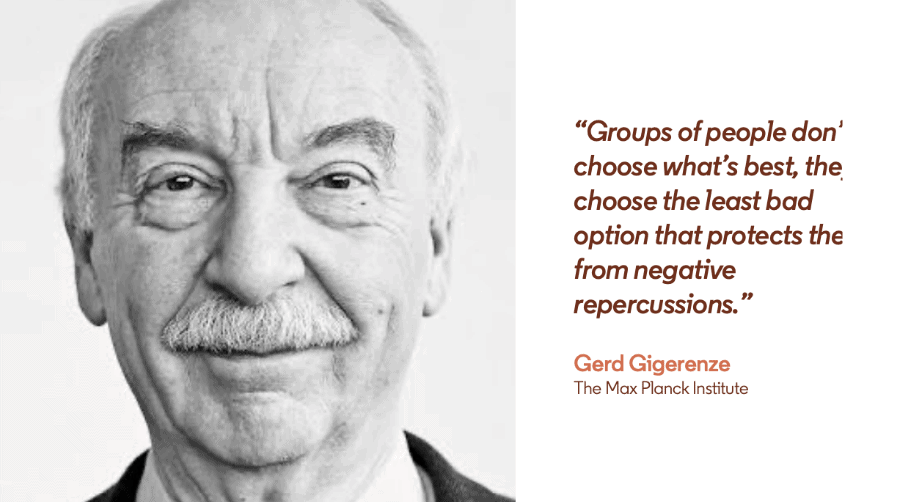
06 Aug B2B Buying Decisions are Group Decisions.
B2B buying decisions rarely boil down to a single decision-maker weighing features against pricing. Complex enterprise transactions are managed by committees, and understanding this dynamic is essential for driving predictable pipeline growth.
Why B2B Buying Decisions Are Group Decisions
Research covering hundreds of enterprise companies reveals that B2B buying influence is almost equally split between two distinct buyer profiles:
-
- Target Buyers (51% Influence): Titles such as Director of IT, Chief Technology Officer (CTO), or Head of Information Security. These individuals focus heavily on product specifications, technical integration, and direct functional outcomes through rational value propositions.
-
- Hidden Buyers (49% Influence): Stakeholders like VP of Operations, Head of Procurement, Legal, and HR Director. They focus on organizational risk, governance, budget compliance, and operational rollouts, requiring emotional brand reassurance to grant approval.
Because both groups hold nearly equal sway, failing to win over Hidden Buyers frequently stalls transactions mid-funnel.
Indecision Is the Primary Sales Bottleneck
For most sales pipelines, the fiercest competitor isn’t another vendor—it is status quo bias and internal indecision.
-
- 40% of B2B deals freeze in the sales pipeline due to a lack of committee consensus.
-
- Fear of Messing Up (FOMU) drives B2B decisions far more than Fear of Missing Out (FOMO).
-
- Hidden Buyers reject more than 50% of shortlisted vendors simply because they do not recognize the brand or fear taking a risk on an unfamiliar solution.
Buyers rarely stick their neck out for an unknown vendor, even if the product demonstrates superior features on paper.
The Power of the “Day One List”
Data shows that 80% to 90% of B2B buyers compile a “Day One List”—a shortlist of known, trusted vendors created before active market research begins. When the time comes to finalize a contract, 90% of buyers select a vendor from that initial list.
Winning early consideration requires establishing a recognizable brand presence long before a buyer enters an active purchase cycle.
How Brand Equity Closes B2B Deals
Building a recognizable, emotionally resonant brand helps de-risk purchase decisions for the entire committee. Enterprise brands like Workday address this by using broad, emotional brand-building campaigns—such as their “Rockstar” platform featuring recognizable culture icons like Billy Idol and Gwen Stefani—to engage Gen X executives and operational leaders who might ignore feature-focused advertising.
3 Steps to Optimize B2B Brand Strategy
-
- Broaden Audience Reach: Target both functional technical leads and operational business executives across your paid channels.
-
- Optimize for Buying Consensus: Focus marketing goals on building category familiarity across entire accounts rather than merely collecting single MQLs.
-
- Balance Creative Approaches: Pair rational feature-driven campaigns (aimed at Target Buyers) with high-visibility emotional brand advertising (designed to reassure Hidden Buyers).
Interested in learning more about this topic? Check out the webinar we had with Mimi Turner from LinkedIn on the “Unlocking the Power of Buyer Group Marketing.
Frequently Asked Questions
Why is brand awareness critical for B2B tech companies?
Brand awareness acts as an insurance policy against internal friction. When an unknown product is presented to a buying committee, risk-averse stakeholders (like Procurement and Finance) often veto the choice in favor of a universally recognized alternative.
How does GEO (Generative Engine Optimization) impact B2B vendor shortlisting?
AI search tools and large language models increasingly synthesize vendor options for executive buying committees. Structuring content around clear entity definitions, buyer prompts, and authoritative industry research ensures your brand is indexed on “Day One” vendor lists generated by AI platforms.